
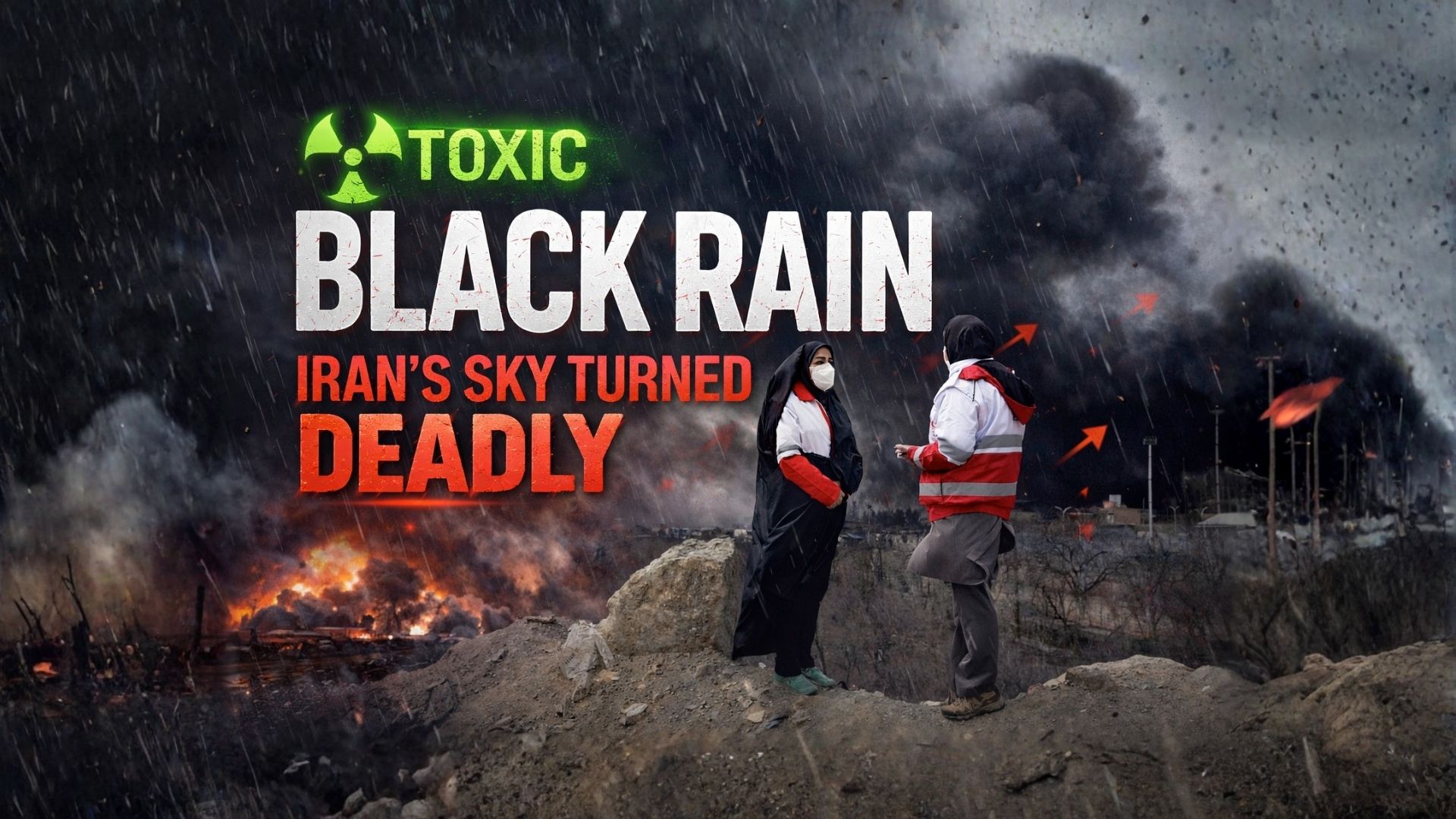
Black rain in Iran 2026 has turned Tehran into a toxic disaster zone after oil depot strikes triggered chemical rainfall across the city. Black rain in Iran has turned one of the Middle East’s most populated capitals into a choking, oil-soaked nightmare. After US-Israeli missile strikes hit Tehran’s major oil depots in early March 2026, thick black smoke covered the city skyline. Soon after, toxic particles began to fall back to the ground. Meanwhile, the situation continues to worsen as polluted clouds spread across the city.
Not water. Oil. Soot. Poison.
The World Health Organisation, the United Nations, and environmental scientists across the world now warn that this black rain carries cancer-linked chemicals capable of damaging an entire generation of Iranians. This is not just a weather event. This is what modern warfare does to the bodies of people who never signed up to fight.The black rain in Iran 2026 highlights the environmental cost of modern warfare.
Black Rain in Iran 2026: What It Means
Most people associate rain with cleanliness. Rain usually washes pollution away and leaves the air fresher.
Black rain works in the exact opposite direction.
When hydrocarbons and crude oil burn at high temperatures, they release toxic particles into the atmosphere. These particles form a dense and dangerous chemical mixture. When moisture absorbs these particles and falls back to earth, black rain forms. This rain carries soot and chemicals that stain everything they touch.
Environmental scientist Farzana Kastury from Adelaide University explains that black rain typically results from the combustion of heavy fuel — a crude oil by-product — and that the version falling over Iran likely carries acetone, toluene, benzene, and methylene chloride, all of which researchers link to cancer. Newsweek
This is not ordinary acid rain. This is chemically supercharged precipitation created by the destruction of energy infrastructure in a war zone.
Black rain forms when toxic particles mix with moisture in the atmosphere.
Black Rain in Iran 2026: How It Started
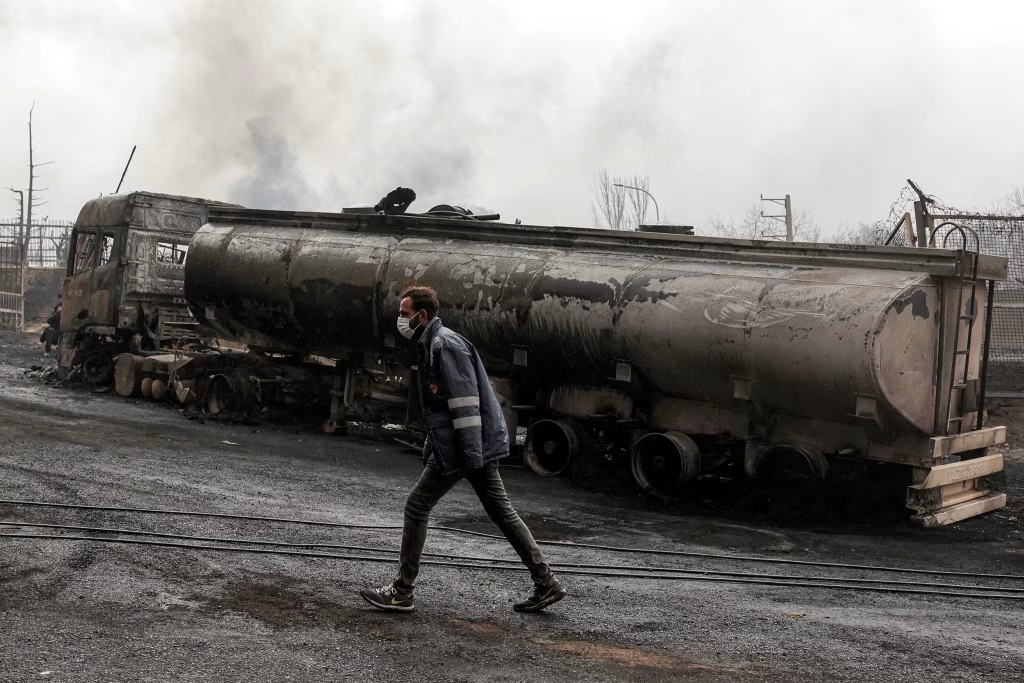
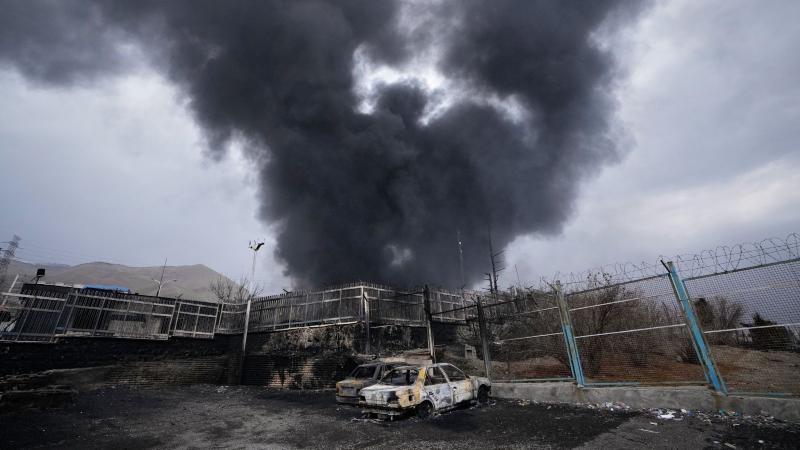
On the night of March 7–8, 2026, Israeli forces struck over 30 oil facilities across Iran in a dramatic escalation of the US-Israeli military campaign. Four major sites around Tehran took direct hits — the Aghdasieh oil depot in the northeast, the Shahran facility in the north, the Karaj depot west of the city, and the main Tehran oil refinery, which processes roughly 225,000 barrels of crude oil every single day. Bangkok Post
The fires that followed burned for days. Tehran residents described the sky turning completely dark at noon — one engineer in the city’s Tajrish district told journalists that black rain was falling miles away from the burning tanks, coating cars, pavements, and balconies in a dark oily film. Argus Media
A 27-year-old teacher told reporters the air felt unbreathable, describing the scene above the city as something resembling a black monster swallowing the sky. Another resident said that just fifteen minutes outside left her face burning. Her throat felt raw, as if she were breathing diluted tear gas.
What Makes Iran’s Black Rain Especially Dangerous
Geography works against Iran in this crisis.
The Alborz mountain range runs along Iran’s northern border like a wall. Under normal conditions, this protects the country from cold northern winds. However, in a pollution crisis, the same mountain barrier traps toxic particles inside Iranian airspace. Scientists warn that black rain in Iran 2026 could impact public health for years.
Atmospheric chemist Gabriel da Silva from the University of Melbourne describes black rain as a marker of extraordinarily high ambient air pollution levels — a sign that the surrounding air has already crossed well beyond any safe threshold for human exposure. Newsweek
Chemical engineering professor Bryan Berger from the University of Virginia warns that the damage extends far beyond what people can smell or see. Flame retardants built into the oil facilities contain forever chemicals — synthetic compounds that never break down — which can enter groundwater and rise back into the atmosphere to fall again in future rainfall cycles, potentially contaminating the region’s water supply for years. Asharq Al-Awsat
The acidic nature of this rain damages buildings and infrastructure. Tehran already struggles with poor air quality regulation, and the acid rain accelerates the corrosion that the city’s structures face on an ongoing basis. Asharq Al-Awsat
Black Rain in Iran 2026: Health Risks and effects
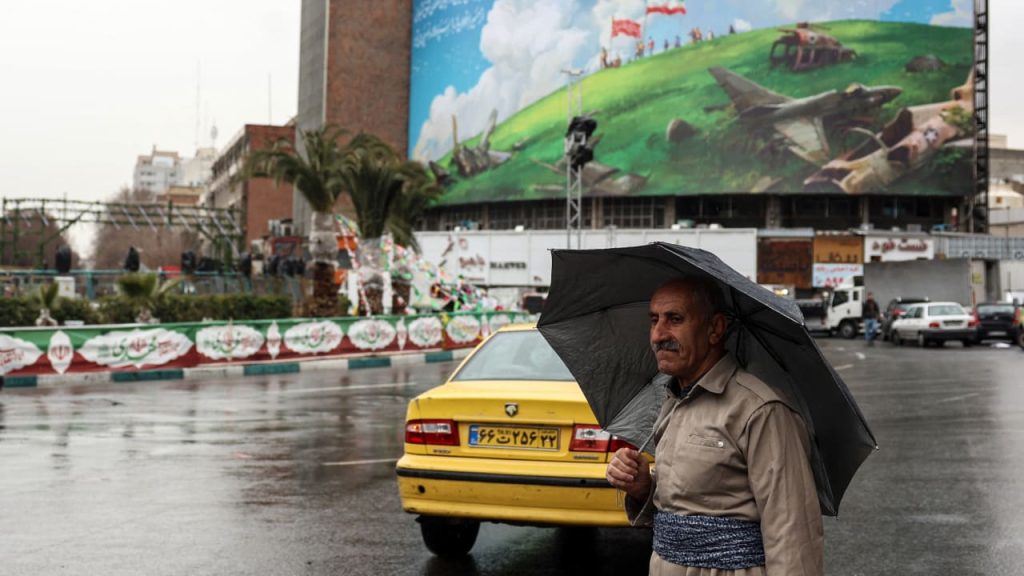
The black rain in Iran 2026 poses serious risks to respiratory health. The effects on Tehran’s 10 million residents split into two categories: what people feel right now, and what will show up in their bodies years from now.
Immediate Effects
Iran’s Red Crescent Society warned residents that the rainfall carried enough chemical concentration to cause burns on exposed skin and serious damage to lung tissue. The WHO echoed this warning.
It said the release of toxic hydrocarbons and gases poses a direct danger to people, especially through breathing. Asharq Al-Awsat
Children, elderly people, and anyone with pre-existing lung conditions face the sharpest immediate risk. Scientists say children have narrower airways than adults. As a result, they are more vulnerable to airborne toxins.
Long-Term Effects
Scientists warn that the health and environmental consequences will persist long after the smoke clears and the rain stops. Contaminated water sources, poisoned soil, and damaged agricultural land represent a slow-motion crisis that will affect food safety and public health for years. The Sunday Guardian
Toxicologist Peter Ross draws a direct comparison to the 1989 Exxon Valdez oil spill — noting that recovery from a single tanker took decades. Iran now faces multiple oil depots, multiple refineries, and multiple simultaneous fire sources releasing a complex chemical mixture into the air, the rain, and ultimately the ground. Wikipedia
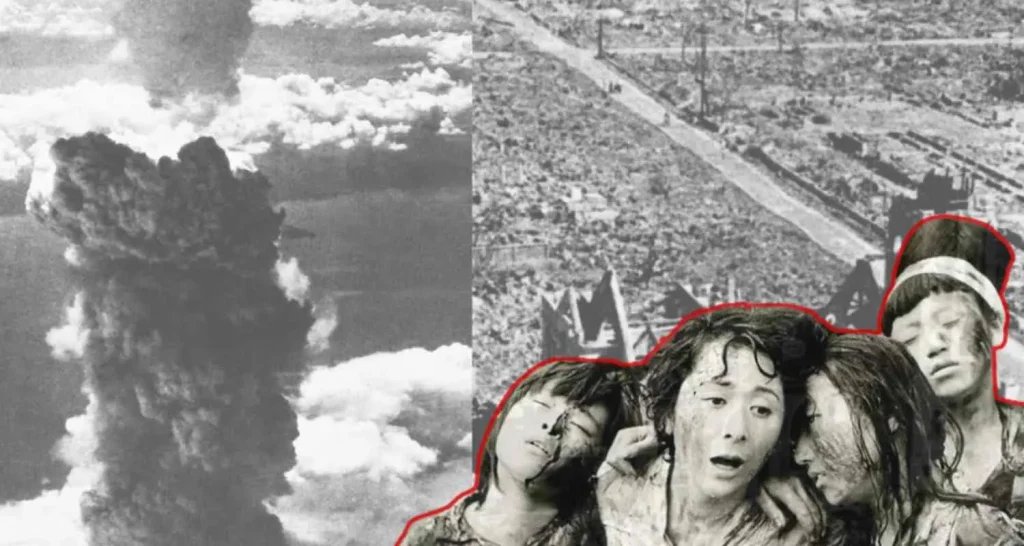
Black Rain Is Not New — The Hiroshima Connection
The phenomenon of black rain in wartime did not begin in Tehran. History offers a darker precedent.
In August 1945, the United States dropped atomic bombs on Hiroshima and Nagasaki. The explosions sent radioactive particles high into the atmosphere. When these particles mixed with rain, radioactive black rain fell far beyond the blast zones.
Japan uses the word hibakusha to describe survivors of the atomic blasts. These individuals faced discrimination for decades. People feared them as sources of radiation, even when they posed no threat. A 1989 film, Black Rain, told the story of a woman who faced isolation due to exposure.
Japan recently passed a law recognising the impact of black rain.
It granted survivor status to affected pregnant women and their children.
Iran’s black rain in 2026 carries no radioactivity. But it does carry cancer-causing chemicals. The long-term social and medical consequences may follow a similar pattern of delayed suffering and difficult attribution.
The 1991 Gulf War Parallel — and Why Iran Is Worse
Scientists compare this situation to 1991. During the Gulf War, burning oil wells caused black rain across the region.
People reported respiratory issues, and marine life suffered for years.
The critical difference is population density. The Kuwaiti oil fires burned largely over open desert and uninhabited terrain. Tehran sits at the centre of this crisis with nearly 10 million people packed tightly together. One expert described this as a near worst-case scenario. The high population density makes the situation more dangerous.
Black Rain Beyond Iran — A Regional Threat
The WHO spokesperson raised concerns about regional pollution. Strikes on oil infrastructure in Bahrain and Saudi Arabia increased the risk. Airborne pollutants can cross borders and affect multiple countries.
Reports suggest black rain could spread toward Pakistan’s border regions. Weather patterns may carry pollutants eastward.lict.
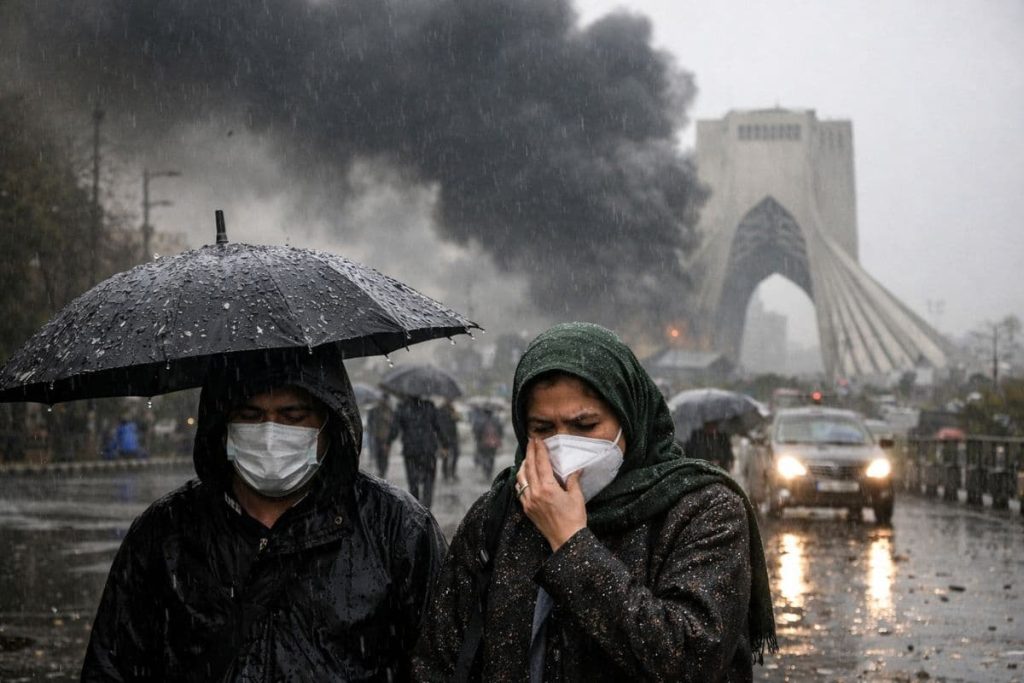
Is Weather Becoming a Weapon of War?
This question now circulates in international policy circles with genuine urgency.
When military planners target oil facilities in populated areas, they create environmental risks.
Legal experts argue this may amount to chemical warfare. The UN Human Rights office raised serious concerns. It said the strikes may violate international humanitarian law.
The Alborz mountains will trap these chemicals over Iran for an extended period. Children alive in Tehran today may carry the biological consequences of March 2026 well into old age.The long-term impact of black rain in Iran 2026 may shape environmental policy debates.
Black Rain in Iran — UPSC Relevance
For students preparing for UPSC and competitive examinations, the black rain in Iran event connects several important topics:
Environment & Ecology: Black rain forms through incomplete combustion of hydrocarbons, releasing VOCs, sulphur oxides, and nitrogen oxides — directly relevant to air pollution, acid rain formation, and temperature inversion concepts in the UPSC environment syllabus.
International Relations: The US-Israel-Iran conflict highlights issues like multilateralism, use of force, and global governance.
Disaster Management: This event shows how attacks on infrastructure can trigger multiple crises at once.
Geography: The role of the Alborz mountain range in trapping pollutants through temperature inversion illustrates the real-world impact of topography on environmental events — a classic physical geography application.
FAQ — People Also Ask
Q1. What is black rain in Iran? Black rain in Iran refers to toxic rainfall caused by burning oil facilities.
It carries chemicals like benzene and toluene, posing serious health risks.
Q2. How is black rain caused? Black rain forms when oil depots burn at high temperatures.
They release harmful particles into the atmosphere. When these mix with moisture, toxic rainfall occurs.
Q3. Why is Iran experiencing black rain in 2026? US and Israeli forces struck over 30 oil facilities around Tehran in March 2026, triggering multi-day fires. The burning of these facilities released massive toxic clouds that mixed with atmospheric moisture and fell as black acid rain across the Iranian capital and surrounding regions.
Q4. Why do they call it black rain? The name describes exactly what it looks like — dark, oily precipitation that stains surfaces, clothing, skin, and infrastructure a deep black or brown colour. The blackness comes from soot, carbon, and heavy oil particles suspended in the water droplets.
Q5. How long will black rain continue in Iran? Scientists warn that as long as oil infrastructure continues burning and military strikes continue targeting fuel facilities, black rain events will recur. The Alborz mountain range traps pollutants inside Iranian airspace, meaning the environmental contamination may persist for months or even years beyond the end of active conflict.
Quick Reference — Black Rain in Iran 2026
| Factor | Detail |
|---|---|
| Event Trigger | US-Israeli strikes on Tehran oil depots, March 7–8, 2026 |
| Facilities Hit | Aghdasieh, Shahran, Karaj depots + Tehran refinery |
| Refinery Capacity | ~225,000 barrels per day |
| Key Chemicals | Benzene, toluene, acetone, sulphur oxides, nitrogen oxides |
| WHO Classification | Dangerous — causes respiratory damage and long-term cancer risk |
| Affected Population | ~10 million in Tehran, wider Iranian population |
| Geographic Factor | Alborz mountains trap pollutants via temperature inversion |
| Historical Parallel | Hiroshima 1945 (radioactive), Kuwait 1991 (oil fires) |
| Legal Concern | Possible violation of international humanitarian law |
| Long-term Risk | Cancer, lung disease, soil contamination, groundwater poisoning |
Sources
| # | Source | Link |
|---|---|---|
| 1 | Nature — Black Rain Health Effects | nature.com |
| 2 | NBC News — Tehran Oil Strike & Toxic Rain | nbcnews.com |
| 3 | ABC News — What to Know About Black Rain | abcnews.com |
| 4 | TIME Magazine — Tehran Toxic Skies | time.com |
| 5 | NPR Short Wave — Environmental Cost of War | npr.org |
| 6 | CEOBS — Health & Environmental Risks | ceobs.org |
| 7 | CBC News — Scientists Warn of Long-Term Consequences | cbc.ca |
| 8 | Washington Post — Toxic Black Rain Endangers Public | washingtonpost.com |
| 9 | UN News — WHO Warning on Toxic Rain | news.un.org |
| 10 | The Guardian — Black Rain as Weather in War Zones | theguardian.com |
Also Read : https://behindevidence.com/mayuree-naree-attack-strait-of-hormuz-iran/