
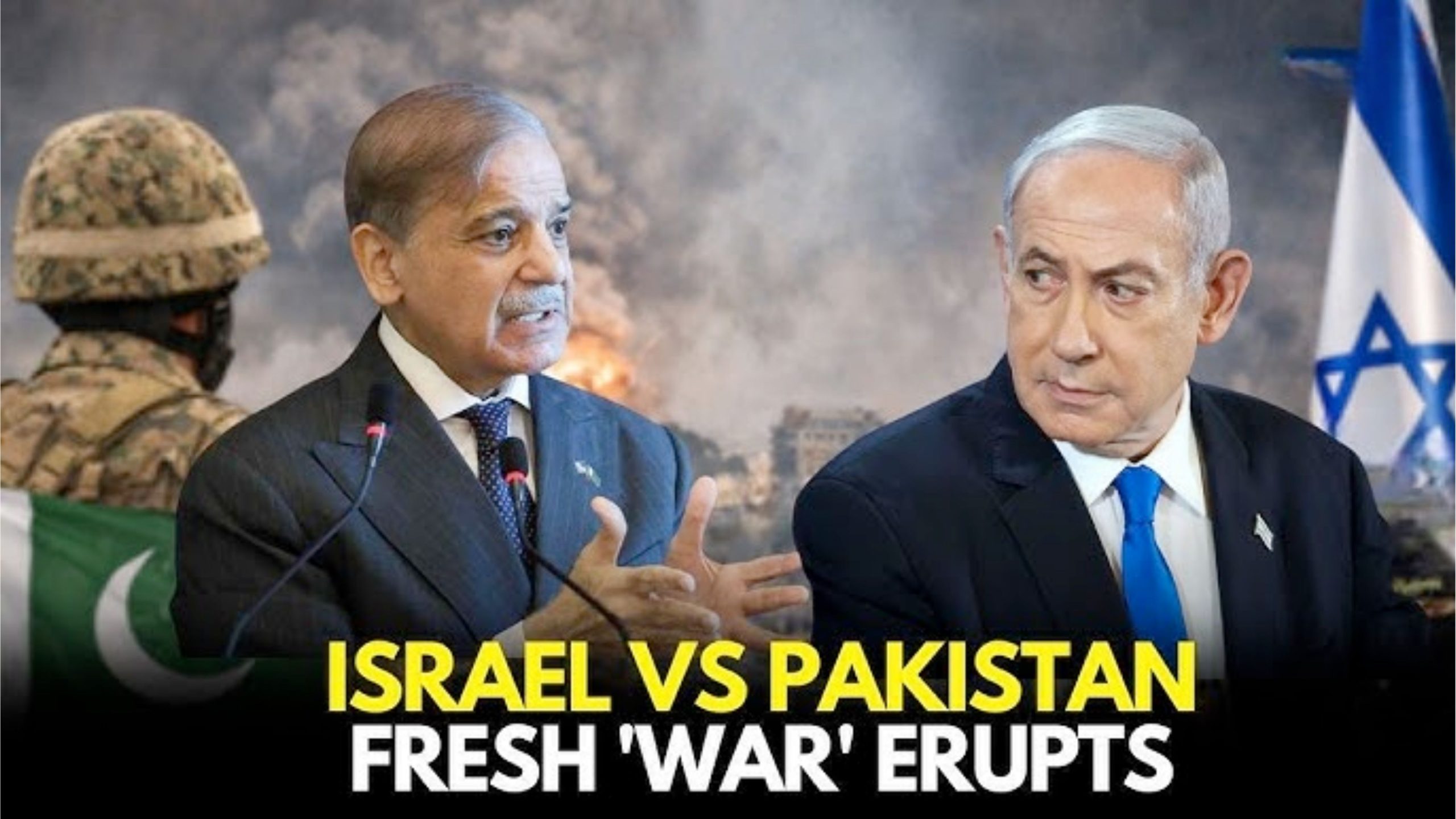
Islamabad was supposed to be the city that saved the world this weekend amid the ongoing Pakistan Israel Conflict 2026.
The Pakistani capital locked down its streets, scrambled fighter jets to escort Iranian delegates, and turned its most prestigious hotel into a diplomatic fortress — all to host the most consequential peace negotiations in decades between the United States and Iran.
The urgency of these discussions was heightened by the backdrop of ongoing tensions in the region, making the US Iran peace talks Pakistan a focal point for international diplomacy during the Pakistan Israel Conflict 2026, which is now crucial for regional stability.
Then Pakistan’s own Defence Minister picked up his phone and posted something that nearly derailed everything before it began.
Pakistan Israel Conflict 2026: Israel’s Reply to ‘Cancer Nation’ Remark
On Thursday, April 10, Pakistan’s Defence Minister Khawaja Asif posted a blistering message on X regarding the Pakistan Israel Conflict 2026. He called Israel “shaitan” — the devil. He described it as “a blot on humanity.” And then he went further — branding the Jewish state a “cancerous nation” whose creation he said should condemn its architects to hellfire.
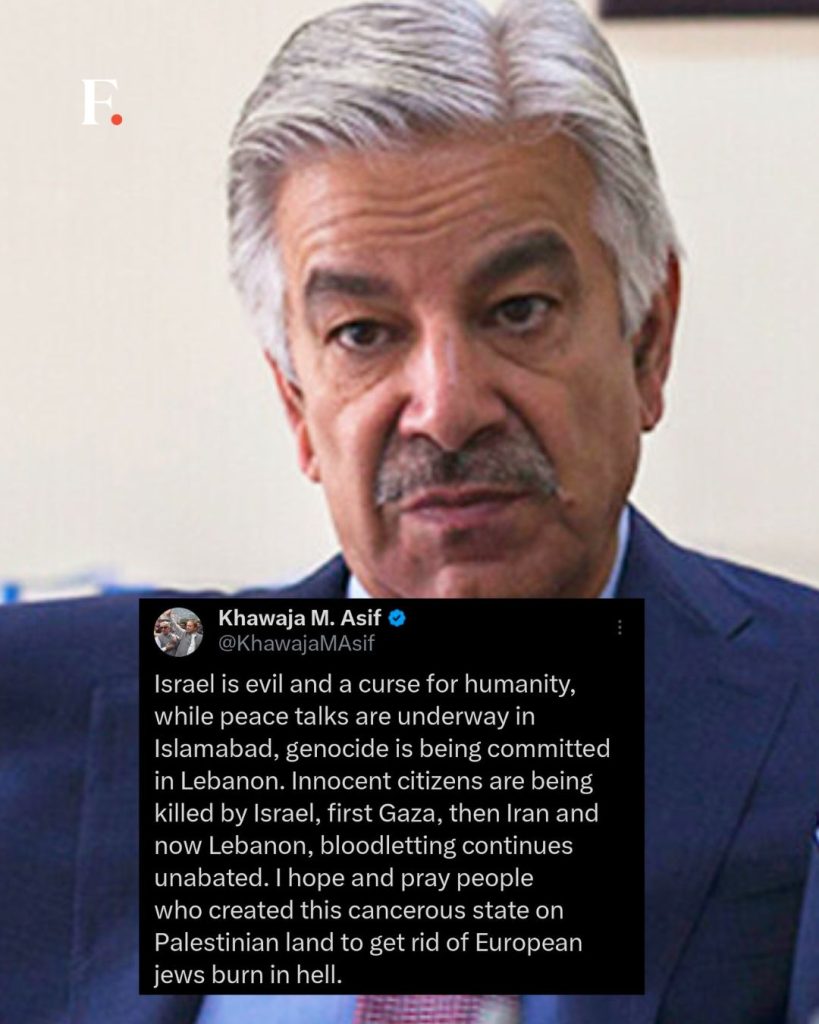
Experts say the Pakistan Israel Conflict 2026 could significantly impact Middle East stability. The Pakistan Israel Conflict 2026 is now shaping global diplomacy in unprecedented ways.
Israel’s Foreign Minister Gideon Sa’ar responded within hours. He described Asif’s words as “openly antisemitic and blood libel” coming from a government that was simultaneously presenting itself as a peace mediator. Sa’ar said calling the Jewish nation “cancerous” amounted to demanding its destruction — and warned that Israel would defend itself against those who swear to eliminate it. Bangkok Post
The office of Israeli Prime Minister Benjamin Netanyahu also posted on X, calling it “highly objectionable” that a defence minister from a country positioning itself as a peace broker could simultaneously express wishes for Israel’s elimination. Bangkok Post
By Friday afternoon, the post was gone. Khawaja Asif deleted it quietly. But the damage was already done — and it exposed a contradiction that has been sitting at the heart of Pakistan’s diplomatic gamble from the very beginning.
Pakistan Israel Conflict 2026 and US Iran Peace Talks Crisis
This incident has made the Pakistan Israel Conflict 2026 more intense. To understand why this moment matters so much, you need to understand how extraordinary Pakistan’s current diplomatic position actually is.
On April 8, 2026, the United States and Iran agreed to a two-week ceasefire — brokered entirely by Pakistan — halting 40 days of US-Israeli strikes on Iran that had begun on February 28. The war had killed the Iranian Supreme Leader Ayatollah Ali Khamenei, disrupted global oil markets, and effectively shut down the Strait of Hormuz. Newsweek
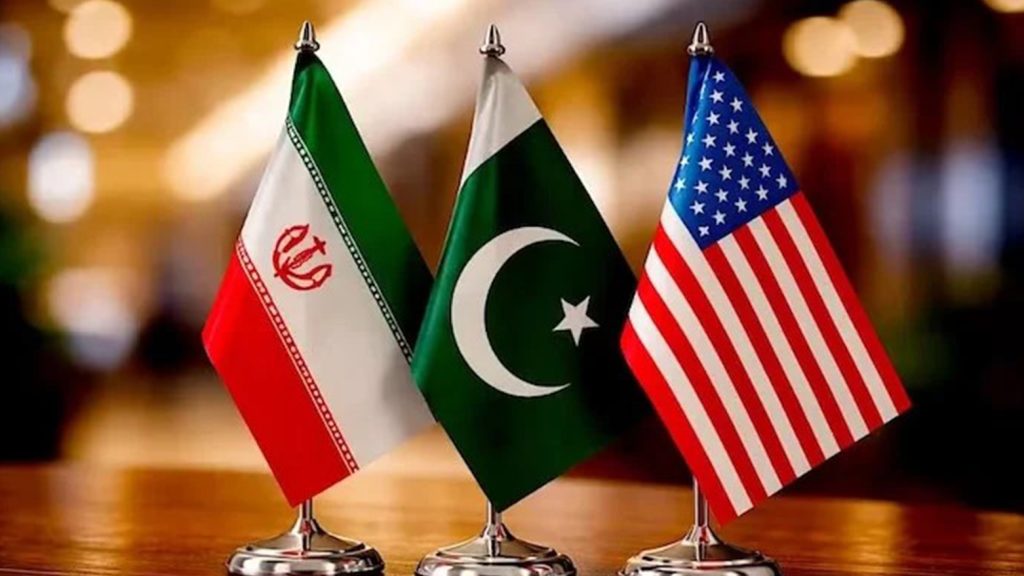
The ceasefire came down to one phone call — or rather, one social media post. As Trump’s deadline approached to end Iranian “civilisation,” Pakistani PM Shehbaz Sharif and Field Marshal Asim Munir made a direct public appeal. Trump paused. Within hours, both Washington and Tehran agreed to a two-week pause in hostilities. Argus Media
Bloomberg described Pakistan’s role as placing it at the centre of global politics. Leaders from Germany to Oman to the UN Secretary-General publicly thanked Islamabad. For a country long portrayed as diplomatically marginalised, it was an extraordinary moment of international validation. Asharq Al-Awsat
The talks scheduled for April 11 in Islamabad would be led on the American side by Vice President JD Vance, special envoy Steve Witkoff, and Jared Kushner. Iran’s delegation would be led by Parliament Speaker Mohammad Bagher Ghalibaf and Foreign Minister Abbas Araghchi. Nation Thailand
What Is Actually on the Table
The negotiations carry the weight of a global economy on their shoulders.
Trump cited Iran’s 10-point plan as “a workable basis on which to negotiate,” saying almost all points of past contention had been agreed. But Iran’s 10-point plan and America’s 15-point plan contain significant differences — and some points that neither side can publicly concede. M9.news
Iran wants control over the Strait of Hormuz and the right to collect transit fees. It wants all US forces withdrawn from Middle East bases. It demands full lifting of sanctions, frozen asset returns, and war reparations. It insists on the right to nuclear enrichment.
America wants zero nuclear enrichment in Iran. It wants the Strait permanently open without fees. It wants limits on Iran’s ballistic missile programme. It wants sanctions relief tied to verifiable concessions — not upfront.
White House Press Secretary Karoline Leavitt called Iran’s right to enrichment “a red line the President is not going to back away from” — even as Ghalibaf publicly stated the right to enrichment was a central clause of Iran’s proposal. M9.news
The gap between these positions is not technical. It is fundamental.
Lebanon — The Bomb Under the Table
If the nuclear issue is the hardest long-term problem, Lebanon is the crisis that could blow up the talks before Saturday even ends.
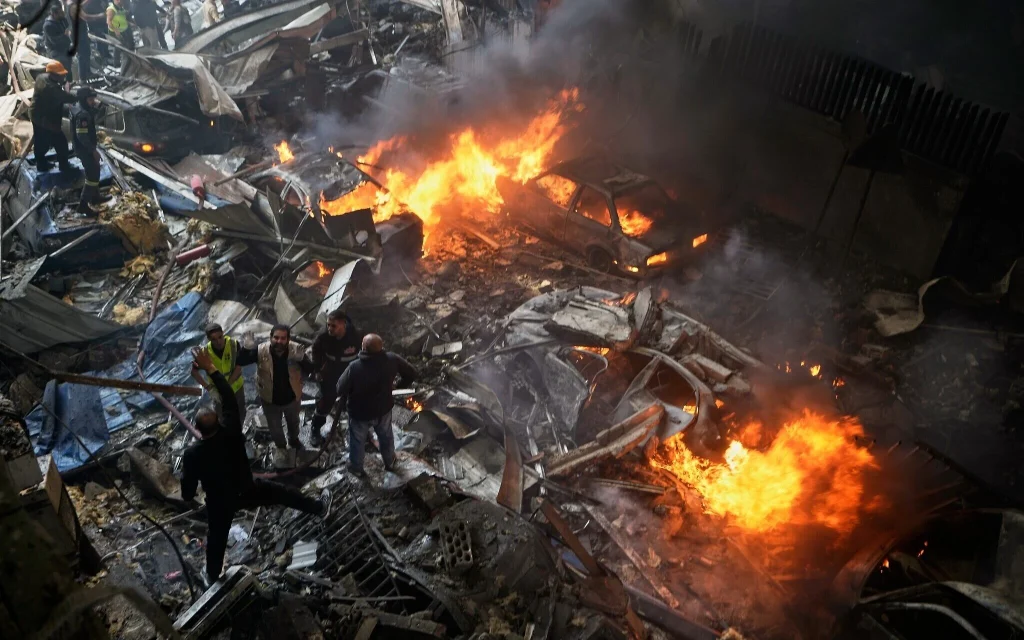
Pakistan and Iran both claim the ceasefire includes a halt to Israeli strikes on Lebanon and Hezbollah. Israel and the United States say Lebanon was never included in the agreement. Bangkok Post
While the ceasefire was being announced, Israel launched what the Lebanese Health Ministry described as the largest coordinated strike on Lebanon since the war began — killing at least 182 people and wounding hundreds more. M9.news
Iran’s Araghchi warned Washington plainly: “The US must choose — ceasefire or continued war via Israel. It cannot have both.” Nation Thailand
VP Vance acknowledged there had been a “legitimate misunderstanding” about Lebanon’s inclusion, and said Israel may “check themselves a little bit.” But he did not commit to including Lebanon in any formal ceasefire terms. Nation Thailand
For Iran, the Lebanon question is existential. Hezbollah is Tehran’s most powerful regional instrument — its forward deterrent against Israel. If Israeli strikes continue degrading Hezbollah while Iran observes a ceasefire, Tehran gains nothing from the pause except time for Israel to weaken its allies.
Israel’s Problem With Pakistan
And this is where Khawaja Asif’s deleted post connects to the bigger picture.
Israel has never considered Pakistan a trustworthy actor. Israel’s Ambassador to India Reuven Azar said plainly: “We do not consider Pakistan a credible player. I believe the US decided to use Pakistan for its own reasons.” Newsweek
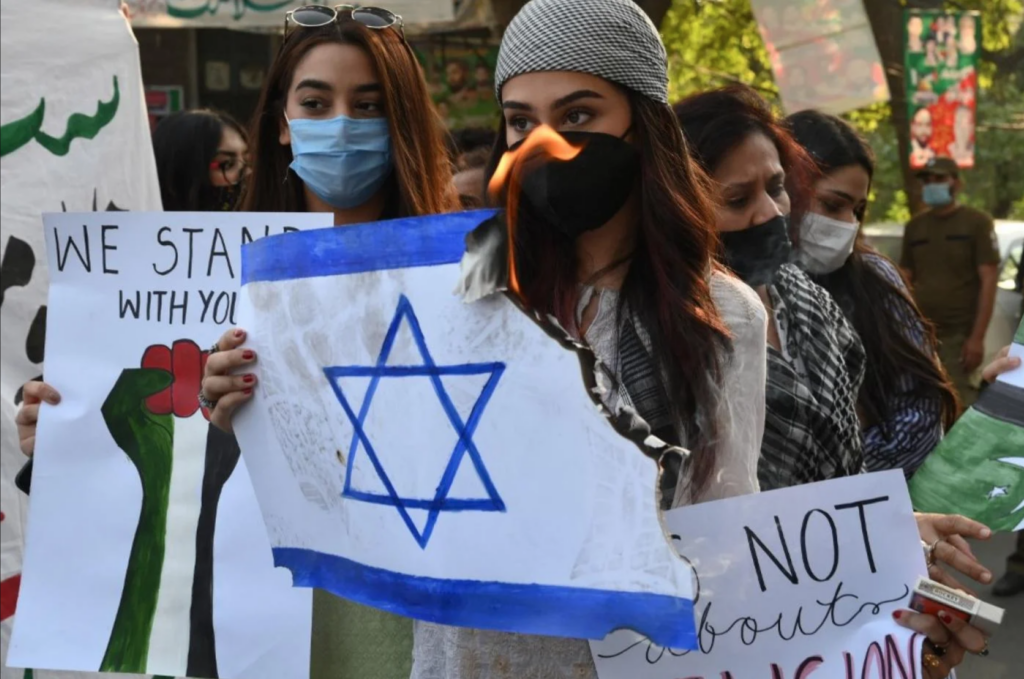
The two countries have no diplomatic relations. Pakistan has never recognised Israel as a state — a position rooted in Islamic solidarity with Arab nations and Palestinians, maintained even though Pakistan has no territorial dispute with Israel.
Azar drew a comparison to Qatar and Turkey, which the US has previously used to channel negotiations with Hamas — suggesting Washington sees Islamabad in a similar transactional role, useful for access, not for trust. Newsweek
Former Israeli PM Naftali Bennett, speaking at a conference in Jerusalem in February, identified a new regional axis forming — Turkey, Qatar, Muslim Brotherhood, and nuclear-armed Pakistan — which he described as actively hostile to Israel and working to influence Saudi Arabia.
Khawaja Asif’s post confirmed every Israeli suspicion about Pakistan’s alignment in one paragraph.
Pakistan’s Impossible Position
Pakistan now finds itself in a position no mediator should occupy — genuinely sympathetic to one party in a conflict it is trying to end.
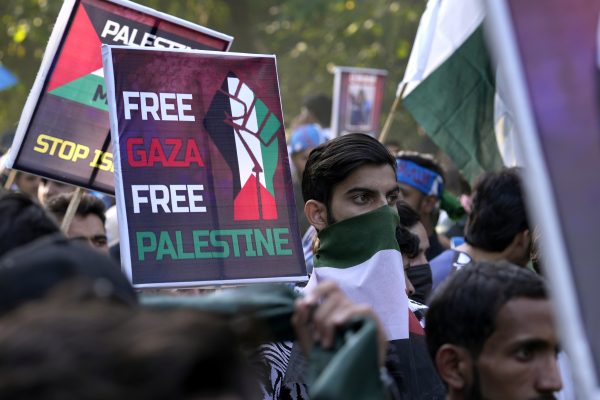
It mourned Iranian Supreme Leader Khamenei’s death. It has loudly condemned Israeli action in Gaza and Lebanon. Its streets have seen repeated anti-Israel protests. Pakistan condemned Israeli military operations while carefully avoiding public criticism of the US — a balancing act that both serves and constrains its mediating role. Newsweek
Ishtiaq Ahmad, professor of international relations at Quaid-i-Azam University, pushed back on those who called Pakistan merely a “postman.” He argued Pakistan “shaped the sequencing, timing and framing of proposals” and had “leverage with all sides.” Newsweek
That may be true. But leverage requires trust from all parties. And Khawaja Asif’s post — however quickly deleted — reminded Israel exactly why it does not trust Islamabad.
The Stakes for the World
The Islamabad talks are not just about Iran and America.
The effective closure of the Strait of Hormuz has caused the largest oil supply shock on record — cutting off roughly 12 to 15 million barrels of crude daily, disrupting global shipping, and driving fuel prices across Asia and Europe to multi-year highs. M9.news
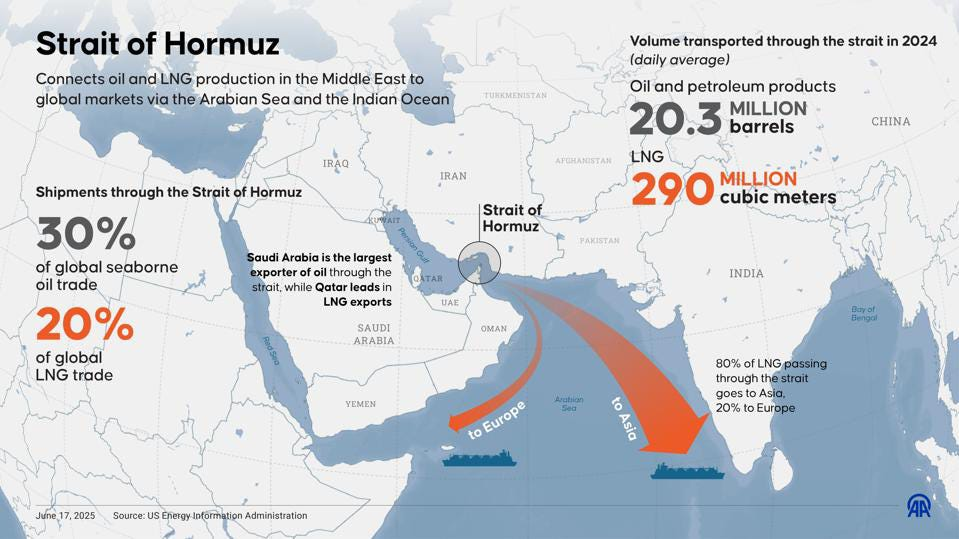
If the talks collapse, the ceasefire ends, and the Strait closes again — the economic consequences will ripple into every household on earth. Food prices, transport costs, inflation, and recession risk all move together with oil.
Trump told NBC he was “very optimistic” and said Iranian leaders were “much more reasonable” in private. Iran’s public messaging claimed victory over the US-Israeli assault. M9.news
Both sides are performing different realities for their domestic audiences. The question is whether, in a luxury hotel in Islamabad surrounded by Pakistani fighter jets, they can find a third reality — one that keeps the region from returning to war.
The Question No One Can Answer Yet
Islamabad locked down a city to host this conversation. Pakistan scrambled its air force to protect delegates it publicly supports. Its defence minister simultaneously called the mediator’s adversary a cancer.
Former Pakistani Ambassador Masood Khalid told Al Jazeera: “The atmosphere has been poisoned before talks even began. Israel is playing a spoiler to undermine the process.” Nation Thailand
The Pakistan Israel Conflict 2026 shows how a single statement can escalate tensions globally. He may be right. But Pakistan has also given Israel every reason to doubt its neutrality.
Can a country host a peace deal it has not fully committed to being neutral about? Can a ceasefire hold when the parties cannot even agree on what it covers? Can the world’s oil lifeline stay open when mistrust runs this deep?
Islamabad will try to answer all three questions at once this Saturday. The world is watching — and running out of time.
Also Read : https://behindevidence.com/trump-news-today-fact-check-hospital-rumour/
Quick Reference — Pakistan Israel Row and Islamabad Talks 2026
| Detail | Information |
|---|---|
| Khawaja Asif’s post | Called Israel “shaitan,” “blot on humanity,” “cancer nation” |
| Post status | Deleted Friday afternoon |
| Israel’s response | “Antisemitic blood libel” — Sa’ar and Netanyahu’s office |
| Ceasefire date | April 8, 2026 — 2-week pause |
| Brokered by | Pakistan (PM Shehbaz Sharif + Field Marshal Asim Munir) |
| US delegation | JD Vance + Steve Witkoff + Jared Kushner |
| Iran delegation | Ghalibaf + Araghchi |
| Talks location | Islamabad, Serena Hotel — April 11 |
| Lebanon dispute | Pakistan/Iran say included — Israel/US say excluded |
| Strait of Hormuz | Partially reopened — still contested |
| Pakistan-Israel ties | No diplomatic relations — Pakistan never recognised Israel |
FAQ — People Also Ask
Q1. What did Khawaja Asif say about Israel and why did it cause a row? Pakistan’s Defence Minister Khawaja Asif posted on X calling Israel “shaitan” (devil), a “blot on humanity,” and a “cancer nation.” Israel’s Foreign Minister called the post “antisemitic” and equivalent to demanding Israel’s destruction. Asif deleted the post by Friday afternoon, but the damage to Pakistan’s image as a neutral mediator was already done.
Q2. How did Pakistan broker the US-Iran ceasefire in April 2026? Pakistan’s PM Shehbaz Sharif and Field Marshal Asim Munir made a direct public appeal as Trump’s deadline to strike Iran approached. Trump paused his planned strikes following their intervention. Within hours both Washington and Tehran agreed to a two-week ceasefire, with Islamabad hosting formal peace talks starting April 11.
Q3. Why does Israel not trust Pakistan as a mediator? Israel has no diplomatic relations with Pakistan, which has never recognised it as a state. Israel’s ambassador to India stated Pakistan is not a “credible player.” Khawaja Asif’s post calling Israel a cancer nation confirmed Israeli suspicions about Pakistan’s genuine neutrality in the mediation process.
Q4. Is Lebanon included in the US-Iran ceasefire? This is the central dispute threatening the peace talks. Pakistan and Iran say Lebanon is included. Israel and the United States say it is not. Israel continued striking Lebanon after the ceasefire was announced, which Iran called a violation. The Lebanon question could collapse the Islamabad talks before any deal is reached.
Q5. What are the main issues on the table at the Islamabad talks? The key issues include Iran’s nuclear programme (US demands no enrichment, Iran insists on its right), the Strait of Hormuz (Iran wants control and fees, US wants it fully open), Iran’s ballistic missile programme, sanctions relief, frozen asset returns, and war reparations. The US and Iran have also published competing proposals — a 15-point US plan and a 10-point Iranian plan — with significant gaps between them.
Sources
| # | Source | Link |
|---|---|---|
| 1 | Wikipedia — 2026 Iran War Ceasefire | en.wikipedia.org |
| 2 | Al Jazeera — How Pakistan Brokered Ceasefire | aljazeera.com |
| 3 | Al Jazeera — US-Iran Talks in Pakistan | aljazeera.com |
| 4 | TIME — Iran Ceasefire Proposal Explained | time.com |
| 5 | CNN — Day 40 Middle East Conflict | cnn.com |
| 6 | Bloomberg — Pakistan’s Central Role | bloomberg.com |
| 7 | Axios — US Iran 2-Week Ceasefire | axios.com |
| 8 | Al Jazeera — US Iran Ceasefire Terms | aljazeera.com |
| 9 | The Week — Pakistan Mediation India Absence | theweek.in |
| 10 | Al Jazeera — Iran Confirms Islamabad Talks | aljazeera.com |